

What do you do when your small town is out of options? Your water is on the line, the regulators are useless, and some corporation refuses to back down.
You do something that sounds like it’s straight out of a novel: you give your river legal rights. You turn it into a person in the eyes of the law.
That was one of the wildest things I heard in my conversation with Matt Podolsky, an environmental filmmaker who co-founded the Wild Lens Collective. It’s also a powerful reminder that winning an environmental fight is rarely one big, sweeping victory. It’s usually a series of messy, hard-fought local battles that just buy you enough time to make a difference.

Matt isn’t your typical film school-to-Hollywood guy. He studied environmental science and film, but then spent years taking whatever seasonal field biology jobs he could find. He eventually landed a full-time gig with the California condor recovery program in Arizona. From the inside, he saw the complicated, incredible story of a species clawing its way back from the brink—a story the public never really gets to see. So he picked up a camera again, taught himself as he went, and, as he puts it, made “every mistake you possibly could.” That project was the start of Wild Lens, the nonprofit media collective he co-founded in 2011 to tell conservation stories from all over the world.
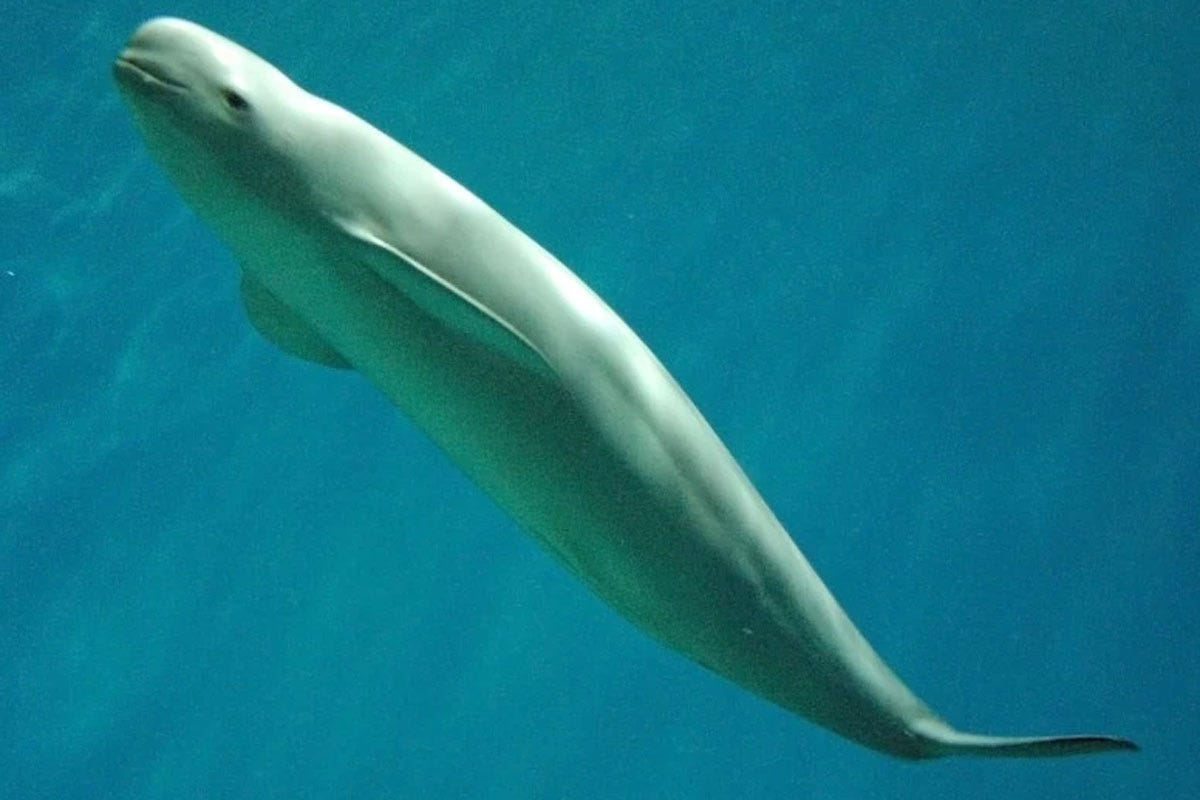
One of those stories became the Sundance-winning documentary Sea of Shadows. It’s about the vaquita, a tiny porpoise that lives only in the northern Gulf of California and happens to be the most endangered marine mammal on the planet. When Matt first learned about them around 2014, there were roughly 100 left. By the time his film came out in 2019, that number had dropped to about 30.
The cause isn’t some abstract threat; it’s a brutal, direct chain of events. Illegal fishermen use gillnets to catch another endangered fish, the totoaba, whose swim bladders sell for tens of thousands of dollars on the black market in Asia. That kind of money attracted organized crime, which has made the whole problem exponentially more dangerous. The vaquitas just get caught in the nets and drown.
The film follows a dramatic, last-ditch effort to capture the remaining vaquitas and breed them in captivity. It was a heartbreaking failure. And yet, somehow, the vaquita is still here. Today, there may be only 10 or 15 left, but scientists are still spotting new calves every year. One reason they’ve managed to hang on is the tireless, thankless work of people who go out and remove “ghost nets”—abandoned fishing gear that just drifts through the ocean, killing everything in its path. It’s the kind of work that doesn’t make headlines, but it’s literally keeping a species alive.
Matt’s short film Hellbent brings us back to that river in Pennsylvania. It tells the story of a small community fighting a fracking company that wanted to drill a wastewater injection well right next to their drinking water source. They did everything you’re supposed to do: they showed up to public hearings, they protested, they filed legal challenges. None of it worked.
Backed into a corner, they found a creative, almost unheard-of legal strategy and passed a local law that gave the river legal personhood. That one move didn’t end the fight, but it completely changed the battlefield. It put the project on hold and forced the company to fight on entirely new ground. That legal battle has now dragged on for seven years. It’s exhausting and unfair, but that well still hasn’t been built. In the real world of environmental defense, just holding the line is a massive win.
We also got to talking about Matt’s podcast, Common Land, where he hiked parts of the Appalachian Trail to explore the stories of America’s protected places. He shared this amazing insight from his time on the trail: it acts as a kind of neutral ground. Back in town, politics might be tearing people apart, but out in the woods, they can connect over a shared love for the land and water. In that space, difficult conversations suddenly become possible, because you’re starting from a place of shared experience, not ideology.
Matt’s latest film, The Invisible Mammal, is about a creature most of us never even think about: bats. It specifically digs into white-nose syndrome, a fungal disease that showed up in North America around 2006 and has wiped out 90-95% of some hibernating bat populations as it spreads west.

This is where the story gets personal. Bats are nature’s pest control, saving farmers billions of dollars a year. When bat populations crash, insect populations explode, and farmers are forced to use more pesticides. Matt’s film explores new research that links those spikes in pesticide use to serious human health problems, including higher rates of infant mortality. This is the part of the extinction crisis we don’t talk about enough: the damage doesn’t just stay “out there” in nature. It always, always finds its way back to us.
If there’s one thing that ties all these stories together, it’s that these fights aren’t just about having the right data or raising awareness. They’re about power. Storytelling is how communities, scientists, and advocates build that power. And the strategies that work aren’t always big and flashy. They’re creative, they’re local, they’re relentless. And sometimes, they’re just enough to keep the fight going until a better opportunity comes along.
If any of this clicked with you, here are a few ways to support Matt’s work:
Wild Lens Collective is a nonprofit, and every dollar goes directly to funding their films and podcasts. You can learn more at wildlensinc.org.
Check out his fantastic podcast, Common Land, wherever you listen or at commonlandpodcast.com.
If you’re interested in hosting a screening of his new film, The Invisible Mammal, go to theinvisiblemammal.com and fill out the interest form.
And if you enjoy what we do here, the best way to help us out is to subscribe on Apple, Spotify, or YouTube, and share this episode with one person you think would get something out of it.
Important article! Loss of biodiversity of one of the, if not the, biggest challenge for the environment in past decades.