

Here’s the uncomfortable reality:
We still use oil and gas because we want what they produce.
They power our cars.
They heat our homes.
They make fertilizer—and the plastics embedded in nearly everything.
Until something cheaper or better replaces those uses, demand doesn’t disappear. It persists.
That’s the constraint most climate conversations avoid.
So What If We Can’t Stop Emissions Fast Enough?
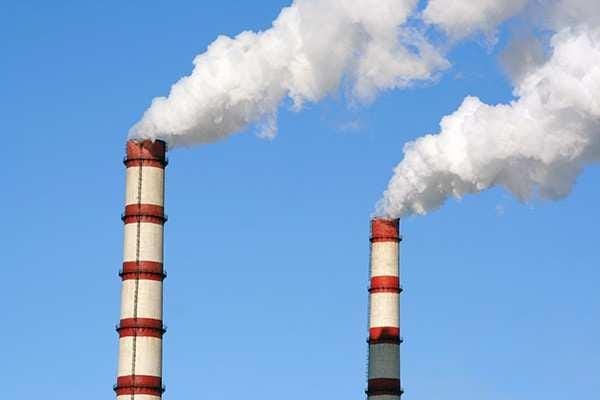
Over the past 200 years, we’ve injected hundreds of billions of tons of CO₂ into the atmosphere.
Even with aggressive decarbonization, the math is difficult:
Demand remains high
Transition timelines are long
Legacy emissions keep accumulating
So the question shifts:
What if we had to put carbon back?
Inside a Different Approach: Carbon Back Underground
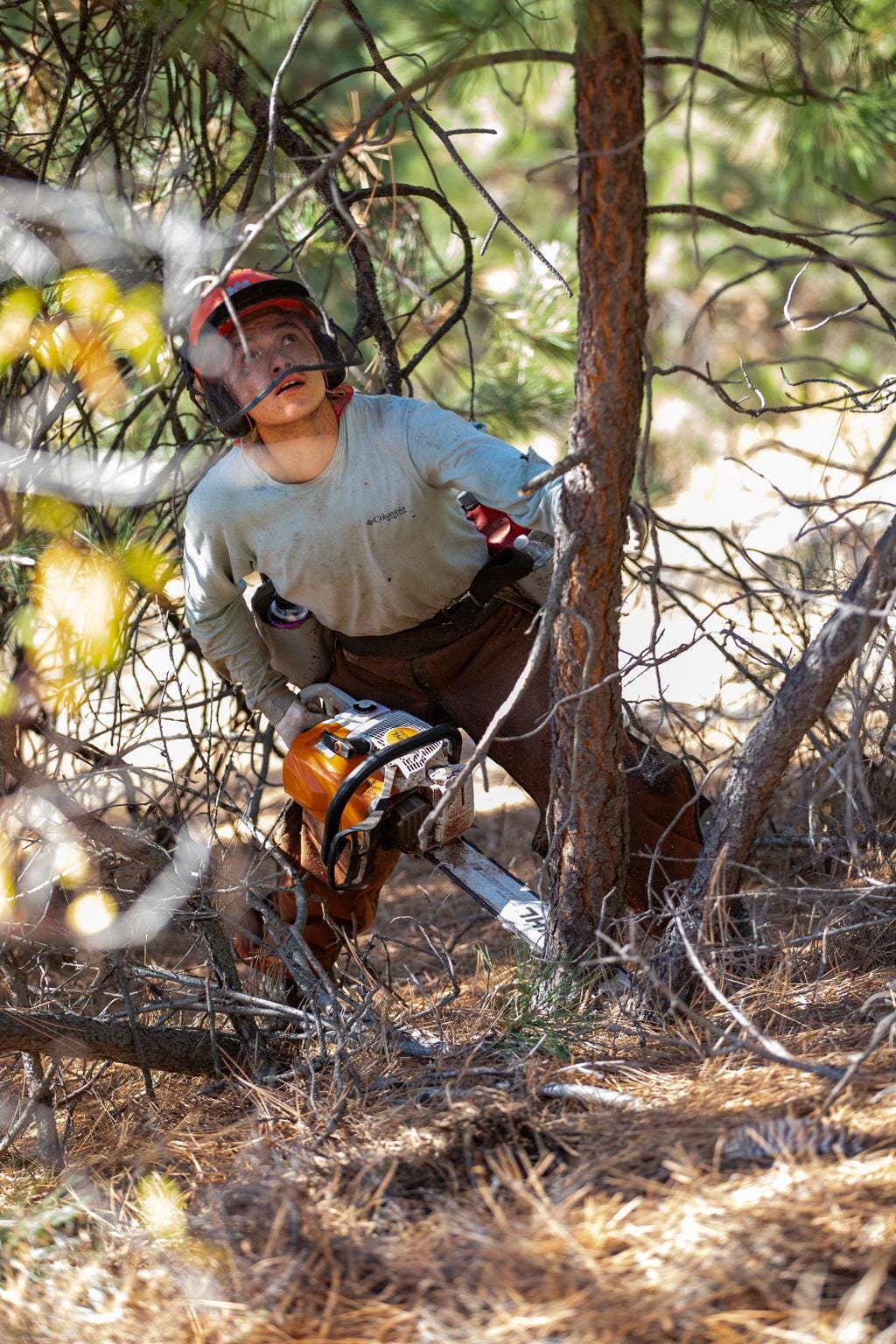
That’s the premise behind Charm Industrial, led by Peter Reinhardt.
The process is direct:
Source waste biomass
Small, low-value wood from wildfire-prone forestsConvert it via pyrolysis
Heat transforms it into biochar + carbon-rich bio-oilInject it underground
The bio-oil is pumped deep into porous rock formationsLock carbon away for millennia
No offsets. No accounting games. Just storage
It’s not theoretical. It’s operating—at small scale.
The Real Challenge Isn’t the Tech
The constraint is scale.
Today: ~10,000 tons removed per year
Needed: billions of tons annually by 2050
That’s a ~1,000,000× expansion.
The path forward depends on:
Lower costs (like solar achieved over time)
Faster permitting (currently a major bottleneck)
More industrial integration
In other words: execution, not just innovation.
Where This Leaves Us
The takeaway is not that fossil fuels are inevitable.
It’s more precise:
Demand persists until alternatives win on cost and performance
Transition alone may not be fast enough
Carbon removal is likely required alongside decarbonization
The climate problem is not one lever—it’s a system.
And systems change slowly, unless something fundamentally better replaces what exists.
Listen to the full conversation with Peter Reinhardt on A Climate Change to go deeper into the technology, economics, and policy shaping carbon removal.

We agree that transition is much harder the we would like due to our unsustainable consumistic habits (humans have arrived here without oil and plastics for 99,99 of our history) and some objectively hard to abate fossils fuels consume sectors. However the problem of carbon sink I guess is at the moment out of reach/ininfluent due to huge energy consume for ccs/dac’s. For the method proposed i see a problem of scaling (10e6 scaling will have huge environmental impact even on degraded lands) and a problem of energy for proposed methods