

TL;DR
Carbon accounting is complicated on purpose - and that’s the problem. Alexia Kelly (Managing Director, High Tide Foundation; former Netflix Net Zero + Nature lead; former U.S. State Dept negotiator on the Paris Agreement) argues we need clear, interoperable rules so capital can flow to the lowest-cost, highest-integrity climate solutions. Markets + standards aren’t enemies; they’re a toolkit. Until guidance converges, progress stalls.
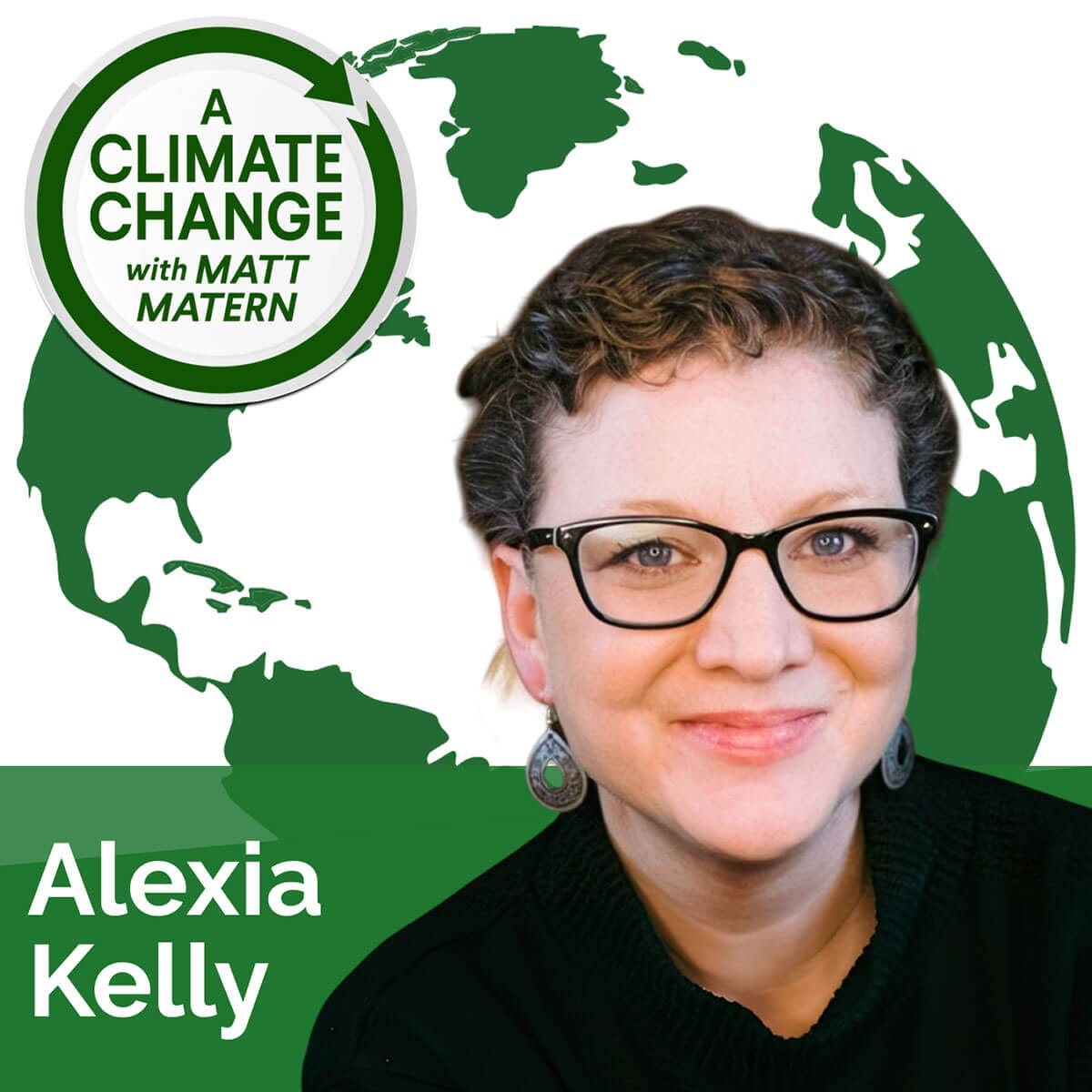
The Origin Story that Shapes the Work
“I was a hippie kid in a logging town.”
Growing up in rural Oregon, Alexia lived the tension between conservation and extraction - and turned that tension into a 20-year career spanning:
U.S. State Department (Paris Agreement negotiations, esp. market rules)
Netflix (built the Net Zero + Nature program from scratch)
High Tide Foundation (leading carbon policy & markets philanthropy)
That lived pragmatism threads through this conversation: it’s not theory; it’s how to make the machine work.
Why Everyone’s Confused (and Why It Matters)
Alexia calls out a core blocker: unclear, overlapping guidance from NGOs and standards bodies that “appointed themselves as arbiters of ‘good enough.’” Result:
Companies delay action: “We’ll wait until we know what ‘counts.’”
Or they do something and get dragged for it - then stop.
Meanwhile, the atmosphere doesn’t wait.
Key idea: We need one high bar for quality, applied consistently across project types and borders, so buyers and auditors can trust it, and CFOs can disclose it.
Carbon Markets, Sans Acronyms
Let’s strip it down.
What they are: Ways to measure and finance real, verified emissions reductions or removals—often where they’re cheapest and fastest (landfills, methane, forests, clean cooking, grid renewables, etc.).
Why they matter: You can’t put a solar array on every roof you use power from. The world runs on shared systems. Market instruments (credits, RECs, SAF certificates) move money to where impact per dollar is highest.
Common myth: “Inventory = truth; credits = greenwash.”
Reality: Both inventories and credits are estimates with methods and uncertainty bands. The goal is to improve all accounting and make systems interoperable, not pit them against each other.
The Standards Converging (Slowly, but Surely)
Paris Agreement created a normative global frame (nationally determined, transparency, “Article 6” for trading rules).
Integrity Council for the Voluntary Carbon Market (ICVCM) is building a single quality threshold (program-level governance + methodology checks).
Translation: fewer rulebooks, one trusted label, easier buying, better prices for high-integrity credits.Regulation is coming (even if not this U.S. administration). Europe and states like New York are already pushing disclosure and polluter-pays models. It’s “when, not if.”
Nature: Not Nice-to-Have - Necessary
Netflix’s “Net Zero + Nature” wasn’t branding; it was strategy. Nature delivers large-scale, low-cost mitigation and co-benefits: water security, food, resilience, biodiversity, community income.
Recent corporate deals (e.g., large-scale timber and restoration commitments) show how long-term purchase agreements unlock private financing for landscape-scale change.
Atmospheric truth: A ton reduced in Kenya counts the same as a ton in California.
Portfolio truth: Do the hard supply-chain decarbonization and fund high-integrity, fast, scalable mitigation elsewhere. It’s both/and.
A Plain-English Explainer You Can Share
What should a company do now?
Get your numbers: Build a credible GHG inventory (Scopes 1–3), document assumptions.
Decarb directly: Efficiency, clean power, procurement changes - prioritize what’s feasible & durable.
Use markets smartly: Allocate budget to high-integrity credits/certificates that pass emerging quality bars.
Insist on interoperability: Favor standards and programs aligning to ICVCM quality thresholds.
Report transparently: Separate inventories (emitted) from actions (reduced/removed elsewhere); avoid double counting; seek third-party assurance where possible.
Stay the course: Don’t let shifting headlines derail a multi-year plan.
How to spot quality in a credit (quick screen):
Additional (wouldn’t happen without carbon finance)
Measurable with conservative methods
Permanence (or buffers/insurance for reversal risk)
No double counting (program-level registries, host-country alignment)
Verified by independent auditors
Documented co-benefits that aren’t hand-wavy
Policy & Risk: The “Why Now”
Disclosure rules ebb and flow, but climate risk on balance sheets is rising (supply shocks, asset stranding, legal exposure).
States are testing Superfund-style climate damages models to fund adaptation and resilience.
Waiting for perfect rules is itself a material risk.
The Goalpost: 5 Gt by 2035
Alexia’s team is shaping a Verified Carbon Market Roadmap targeting 5 gigatons of high-integrity abatement by 2035 (~10% of annual global emissions). That’s an audacious leap from today’s market size - but it’s the scale we need.
Markets aren’t a silver bullet. They’re how we aim the money at the right solutions - fast.
About the Guest
Alexia Kelly is Managing Director at the High Tide Foundation, previously led Net Zero + Nature at Netflix, and served at the U.S. State Department during the Paris Agreement negotiations, specializing in carbon markets, climate finance, and policy design.
Connect with Alexia on LinkedIn. (Tell her you heard her on A Climate Change!)
Listen & Share
This article is a summary of our episode of A Climate Change with Matt Matern featuring Alexia Kelly.
🎧 Subscribe: Apple • Spotify • YouTube
🌱 Help us plant 30,000 trees in the Amazon: aclimatechange.com/trees