

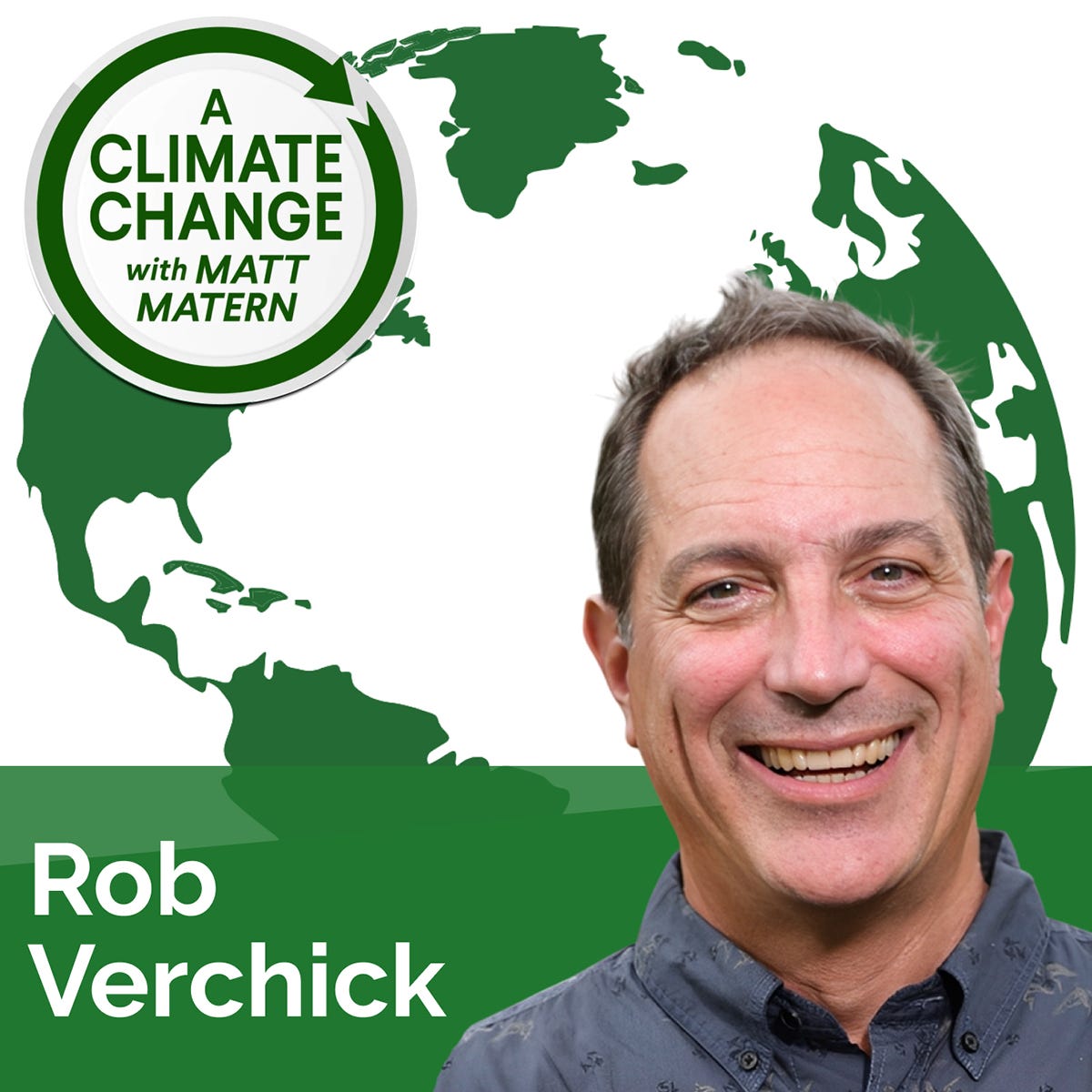
When it comes to America’s energy future, the stakes couldn’t be higher. On this week’s episode of A Climate Change, I sat down with Rob Verchick - professor of environmental law at Loyola University New Orleans, former EPA official in the Obama administration, and author of The Octopus in the Parking Garage - to unpack the escalating tension between climate progress and political backlash.
What we uncovered was both alarming and eye-opening: the Trump administration’s efforts to dismantle clean energy policies won’t just stall climate action - they’ll make electricity across the U.S. more expensive, less resilient, and more vulnerable to disaster.
Clean Energy Under Attack
Billions in federal investment from the Inflation Reduction Act and bipartisan infrastructure law had begun flowing to the states, fueling grid upgrades, resilience projects, and renewable energy growth. But now, much of that progress is at risk of being clawed back.
Ironically, the states that stand to lose the most are “red states”- places like Kansas, Iowa, and Texas - where wind energy has transformed local economies and supplied over half of the region’s electricity. As Rob pointed out, this policy shift is like “cutting off your nose to spite your face.”
By undermining solar and wind, the U.S. isn’t just slowing climate progress - it’s actively driving up costs for households and businesses. Unlike fossil fuels, renewables are cheap, resilient, and better equipped to withstand storms. The political attack on them hurts everyone.
The Power of Disinformation
One of the most disturbing elements of this conversation is how much disinformation fuels opposition to clean energy.
In Louisiana, some local officials have tried blocking solar projects over myths that panels might “blind pilots.”
In coastal states, TikTok videos falsely claim offshore wind turbines are killing whales - narratives quietly funded by fossil fuel interests.
Oil and gas companies, facing a shrinking energy market, are shifting toward plastics and petrochemicals, creating new pollution crises while doubling down on anti-renewable campaigns.
This isn’t an economic debate - it’s a fight for market control. As Rob put it: “These aren’t decisions about economics in the broad sense. They’re decisions that benefit entrenched fossil fuel industries.”
Oceans on the Frontline
The conversation also highlighted a quieter crisis: the fate of our oceans.
90% of excess heat from climate change is absorbed by the ocean, sparing us from being “burned to a crisp,” but leaving marine ecosystems reeling.
Carbon dioxide absorbed by seawater is turning oceans acidic, threatening coral reefs, shellfish, and global fisheries.
Meanwhile, the U.S. skipped this year’s UN Ocean Conference in France, ceding leadership while dozens of nations advanced treaties on high seas protection, plastics reduction, and marine sanctuaries.
“The ocean is our life-support system,” Rob explained. “It can rebound, but only if we give it breathing space.”
Hope in Local Action
Despite federal setbacks, Rob sees hope in state and local leadership. Cities like New Orleans have already adopted renewable portfolio standards. Communities across the country are experimenting with microgrids, solar cooperatives, and offshore wind projects.
And while politics may stall national action, local economies still recognize the benefits of cheaper, cleaner energy. Denmark, for example, has become the “Saudi Arabia of wind,” exporting its expertise worldwide. Louisiana could do the same—if only political leaders let it.
What We Can Do
Rob closed our conversation with a powerful reminder: every action matters. Whether it’s demanding stronger state policies, voting for clean energy leadership, or simply choosing how we spend our money, we all have power in this fight.
As César Chávez once said: “Every dollar we spend is a vote.”
So let’s vote wisely - by cutting back on plastics, supporting renewables, and pushing back against disinformation.
🌍 If you found this episode valuable, share it with a friend. Every follow on Apple or Spotify helps us plant a tree in the Amazon. Let’s keep growing this movement together.
💡 Listen to the full conversation with Rob Verchick at A Climate Change.
👉 Subscribe on Apple
👉 Subscribe on Spotify
👉 Subscribe on YouTube.