

Our guest is Tzeporah Berman - Chair of the Fossil Fuel Non-Proliferation Treaty initiative, International Program Director at Stand.earth, Climate Breakthrough Award recipient, and long-time strategist bridging movements, policy, and international diplomacy.
“Right now, we’re on track to produce 110% more oil, gas, and coal than can ever be burned and keep the planet below two degrees by 2030.” — Tzeporah Berman
TL;DR
We’re over-building fossil fuels relative to what a safe climate allows—by ~110% by 2030.
For 30 years, climate policy mostly targeted demand (emissions), not supply (extraction). That’s the missing half.
The Fossil Fuel Treaty would stop new expansion and equitably phase down existing production.
Momentum: 17 nations participating in developing the treaty, 10 observers, 3,000+ orgs, 4,000+ scientists, 101 Nobel laureates, and hundreds of cities endorsing.
Next step: a diplomatic conference to begin formal negotiations and build the cooperation tools (trade, tax, debt relief) that let countries move together.
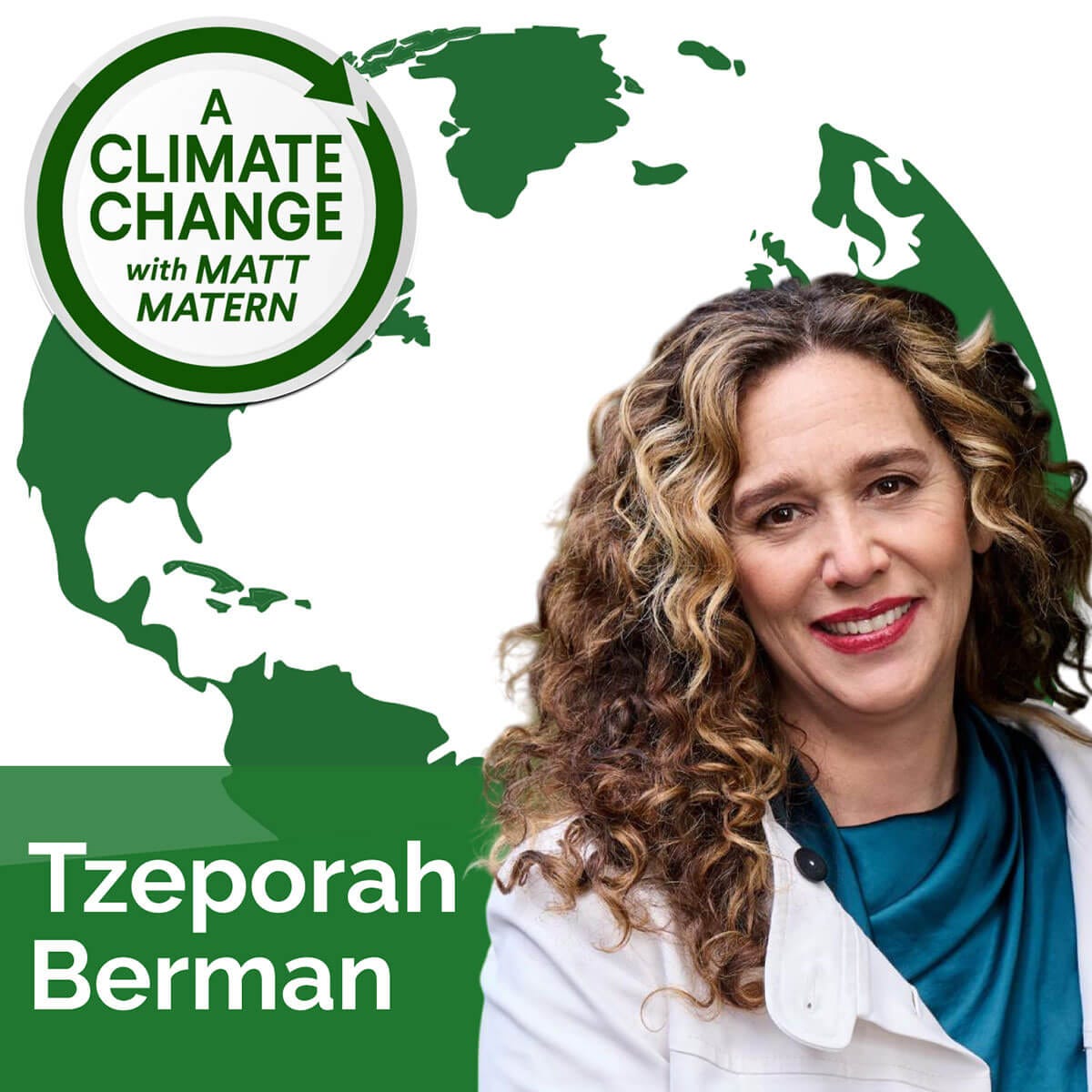
“They knew” - and why supply-side rules are overdue
Berman’s wake-up call came after a decade fighting pipelines and tar sands in Canada: governments kept approving new extraction even as climate goals tightened. She dug in and found the gap - no binding international regime constrains how much oil, gas, and coal get produced.
Meanwhile, the industry’s own files show five decades of knowledge that their products would cause profound harm - followed by organized delay and denial. Tackling demand alone leaves the spigot wide open. The treaty adds the missing lever: production rules.
“It’s not a transition if we’re still expanding the problem.”
What the Fossil Fuel Treaty is (and how it gets built)
Think of it as a companion to Paris focused on supply:
No new expansion of coal, oil, and gas.
Fair phase-down of existing production, with steeper cuts for wealthy, historic producers.
Just transition finance and cooperation so countries aren’t trapped by debt or volatility.
It follows a proven path: “build-it-and-they-will-come” treaties (like landmines/chemical weapons) start with a coalition of ambitious countries, then broaden as benefits and norms take hold.
Tools countries are designing together
Debt relief & tax cooperation so Global South nations aren’t forced to drill to service debt.
Trade & market-access carrots for participants.
Investment de-risking to crowd capital into renewables where it’s most needed.
Who’s stepping up - and why that matters
The earliest champions were Pacific island states (Tuvalu, Vanuatu), for whom sea-level rise and cyclones are existential. The breakthrough: Colombia - a major coal exporter - joined, arguing producers must help change the rules that push expansion.
Pakistan has signaled interest while rapidly scaling rooftop solar, and cities/states from Los Angeles to California have passed endorsements - creating political space from the ground up.
Markets won’t fix this alone
Yes, renewables are cheaper across most uses; yes, global clean-energy investment is surging. But trillion-dollar subsidies and strategic behavior by producers keep new fossil projects alive. The atmosphere doesn’t care how many solar panels we build; it cares how many new fossil projects we prevent.
“Every ton of carbon we keep out of the atmosphere now will save lives.”
Equity is a feature, not a bug
An equitable phase-down means wealthy producers cut faster and put real money on the table - while nations in the Global South get pathways to energy security and prosperity without locking into stranded assets. That’s hard politics, but it’s fair and necessary.
What’s next
Diplomatic conference (target 2026) to start formal negotiations.
European and African early movers are being courted now; new joiners would accelerate norm-setting.
Subnational leadership continues in the U.S., where states and cities can endorse and adopt no-new-expansion policies.
How to help (wherever you live)
Pass a resolution: Ask your city council or state legislature to endorse the Fossil Fuel Treaty.
Normalize the conversation: Talk about climate links to local floods, fires, heat—and to fossil expansion. Break the “climate silence.”
Back just-transition finance: Support debt-relief and clean-energy investment vehicles tied to no-new-fossil commitments.
Push for policy alignment: No more “net-zero” plans that quietly greenlight new drilling.
“Trust and cooperation beat whack-a-mole. Set clear rules together, and move.**
About our guest
Tzeporah Berman is Chair of the Fossil Fuel Non-Proliferation Treaty initiative and International Program Director at Stand.earth. A TIME Top 100 Climate honoree and Climate Breakthrough awardee, she’s authored This Crazy Time, helped lead landmark forest and energy campaigns, and continues to build the coalitions needed to end fossil expansion.
Support our work & subscribe
We’re planting 30,000 trees in the Amazon this year. Learn more at aclimatechange.com and subscribe on Apple, Spotify, or YouTube. If this episode resonated, share it with a friend.
Climate change is not gender neutral. Women, especially in vulnerable communities, bear the brunt of floods, heatwaves, and resource scarcity caused by fossil fuel expansion. This podcast is a crucial reminder that stopping new oil, gas, and coal projects isn’t just about carbon; it’s about protecting lives and ensuring equity. The Fossil Fuel Non-Proliferation Treaty is a step toward climate justice for everyone, including women most affected by the crisis.
more oil and oil sands have been discovered in Albania during the last ten years and Albania is under no production constraints whatsoever. The oil sands have proven like the oil shale in canada to have a lot less sulphur and should make for cleaner gas and diesel for all the contries of the EU and a lot cheaper than their prices now. Not only that, the oil sands are permeated with heavy metals so after the oil is extracted the tailings will be processed for $500 million a year in gold silver platinum lead and mercury. And, if they use repressurization plants they can use the existing fields to returnto full production. They use CO2 to repressurize the fields. trade off to reduce polliution, and defeats all youir arguements.